Niagara
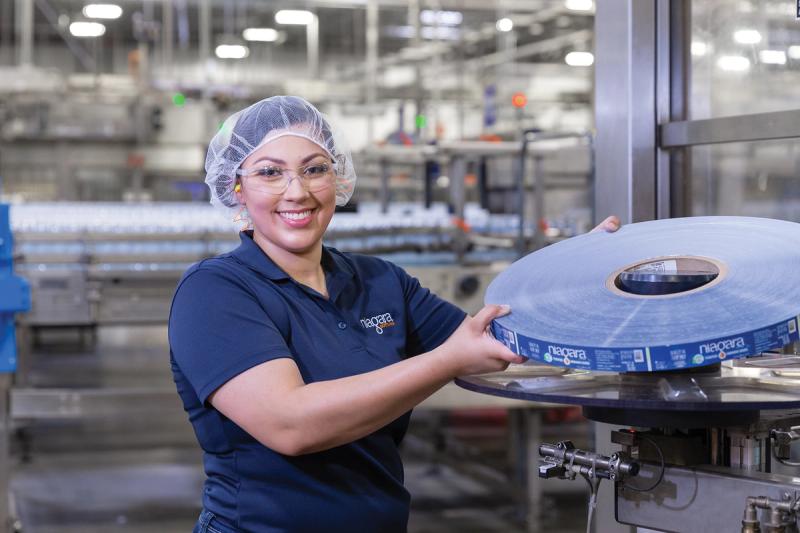
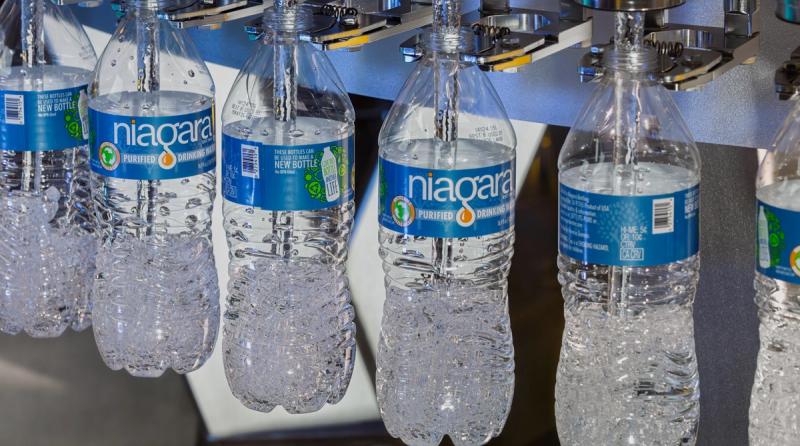
Niagara Bottling has an extensive and important presence in Stockton, manufacturing a variety of consumer beverages. Niagara’s first two manufacturing operations were located on Runway Drive and Zephyr Street in 2007 and 2014 respectively. Niagara’s newest manufacturing facilities became operational on Arch Road in 2023 and Logistics Drive in early 2024. Niagara’s overall employment in Stockton currently stands at approximately 415 full-time positions between the four plants, and it is projected to grow to an estimated 457 employees once all facilities are completed. All-in compensation (regular pay, overtime, bonuses, holidays, tuition, benefits, etc.) for all of 2023 is approximately $30 million, and projected combined payroll for all four facilities will be just over $40 million. Collectively, they are expected to generate over $1 million dollars in annual tax revenues for the city of Stockton.
Local Impact
These data points reflect the broader local impacts of Niagara’s project and investment in the community, beyond the figures listed above. This includes projected community-wide economic impacts, induced local job creation, and an estimated increase in local taxes paid, as calculated from standardized development models.
$28.7M
in annual earnings brought to the broader local economy.
449
Local jobs supported within our supply chain and the broader economy.
$6.5M
in estimated additional local taxes generated on production and import activity.
$28.7M
in annual earnings brought to the broader local economy.
449
Local jobs supported within our supply chain and the broader economy.
$6.5M
in estimated additional local taxes generated on production and import activity.
Who We Are
Niagara Bottling has been family-owned and operated since 1963. Headquartered in Diamond Bar, California, Niagara operates bottling facilities throughout the U.S. and Mexico. As a leading beverage manufacturer in the U.S., Niagara Bottling works closely with some of the largest beverage brands, retailers, grocers, and club and convenience stores throughout the country. Niagara produces a variety of beverages including bottled water, sparkling, vitamin and flavored water, teas, sports drinks, ready-to-drink coffee, protein drinks, and non-dairy milk products.
Our Commitment to Community
At Niagara, we are committed to making a positive impact on society and our communities. As part of this commitment, our local teams place an emphasis on supporting areas of education, emergency needs, community beautification, environment, and health and wellness. We are proud to partner with community leaders and charitable organizations that are making a meaningful difference in the world and in the areas where our facilities are located.
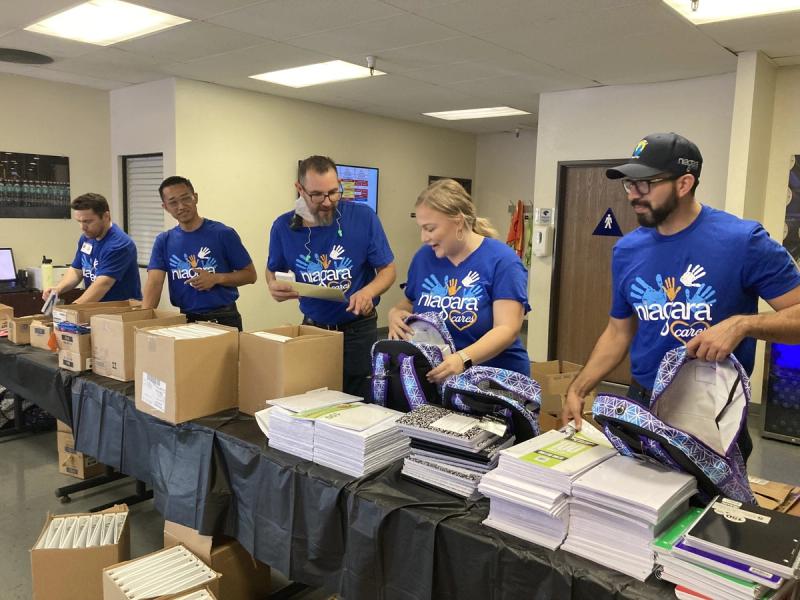
Getting Students Ready for School
Our Stockton teams stuffed 350 backpacks with school supplies to support youth in our local communities. Through our partnership with Volunteers of America, and their Northern California/Northern Nevada (NCNN) affiliate, Niagara supported their Operation Backpack program with a $10,000 grant donation. From backpacks and notepads to pencils and erasers, students in elementary, middle, and high school will soon receive the educational tools they need to succeed.
UNeed2 and Women’s Center Youth & Family Services were some of the local recipients of the program, assisting more than 300 students in Stockton. Overall, the local Operation Backpack program provides over 5,000 backpacks and supplies for students across the Sacramento region.
Having a brand-new backpack and supplies not only provides a child in difficult circumstances with the tools they need to succeed, it also gives them confidence and hope.
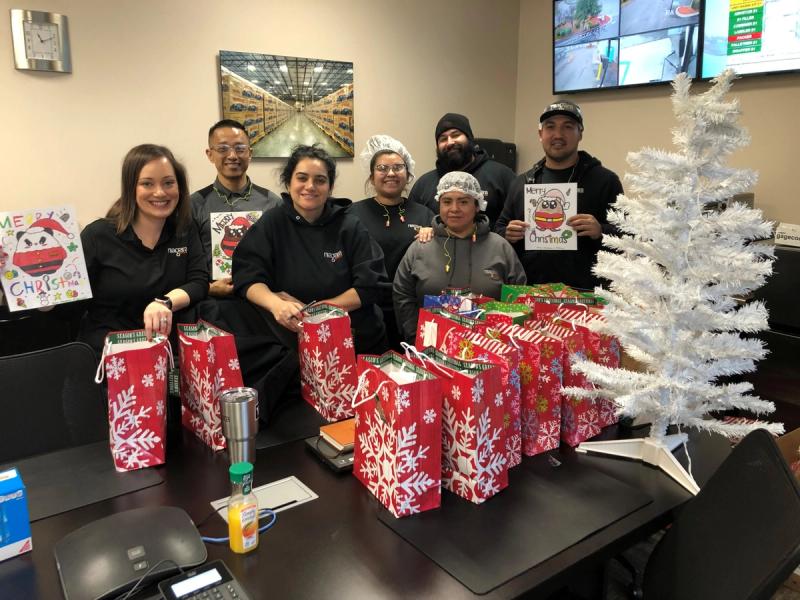
Spreading Holiday Cheer
Our teams in Stockton worked with Volunteers of America to make “Waiting for Santa Kits” for children at their family shelter. The kits included pajamas, hot cocoa, cookies to put out for Santa, a book to read while they wait for him to come, and letters from Santa written by our Team Members. These gifts and letters from Santa provided a memorable holiday experience for the benefiting families during a difficult time in their lives
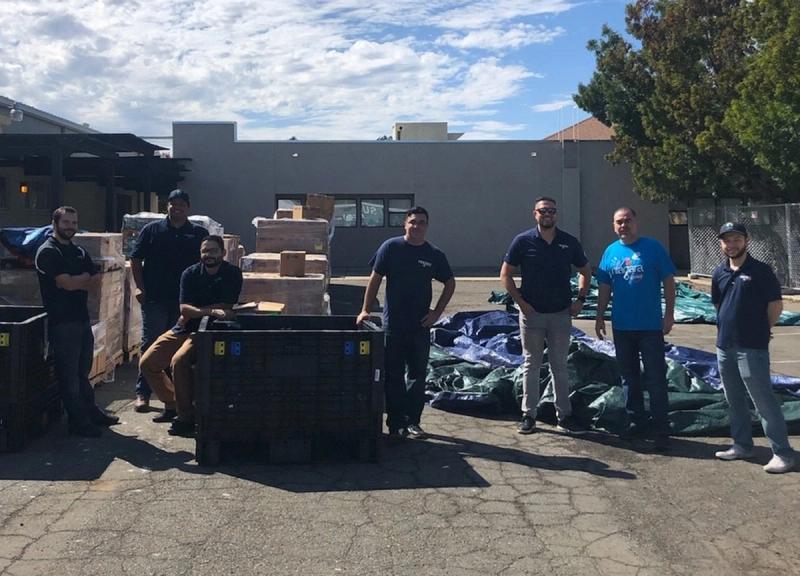
Shoe Drive
Our team supported a shoe drive in Elk Grove by donating two pallets of water for their event as well as setting up chairs, tables, banners and activity stations.
Some of the local organizations our Team Members support include:


Our Focus on Sustainability
Niagara is committed to responsible resource usage and integrating sustainability into every aspect of our business. Niagara not only supports environmental initiatives, but innovation and leadership in their product, packaging, manufacturing, while promoting consumer awareness and action on sustainability issues.
Here’s How Niagara Is Prioritizing Sustainability
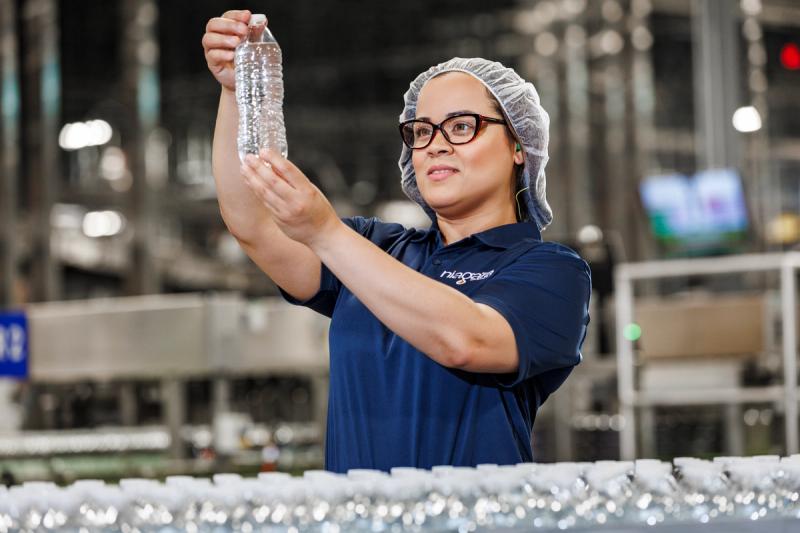
Water Stewardship
A standard Niagara facility uses less water to produce its products than it takes to keep a few golf courses green. Niagara typically pays volumetric fees for the water it uses and millions in taxes and fees to municipal systems that enable them to maintain and improve their infrastructure.
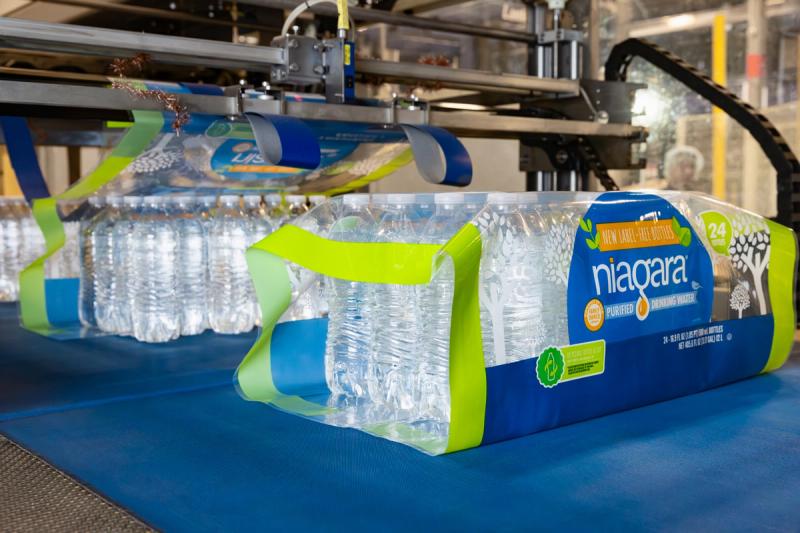
Packaging Efficiency
Niagara uses less plastic for its bottles than its competitors, and innovations such as lightweight shrink film and corrugate-free nested packs create reductions in CO2 across our product lifecycle.
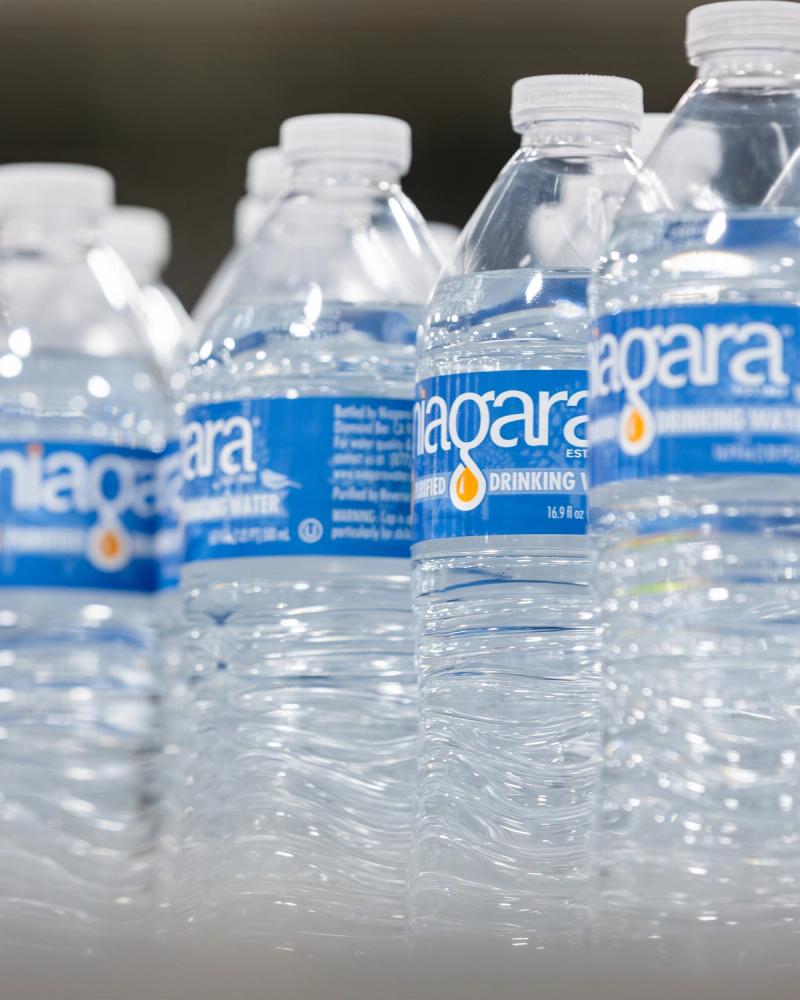
Minimizing Environmental Impact
Niagara PET bottles have a lower environmental impact across most impact categories when compared to other common beverage and water packaging types. Our half liter bottles have an embodied carbon footprint that is substantially below the U.S. average.
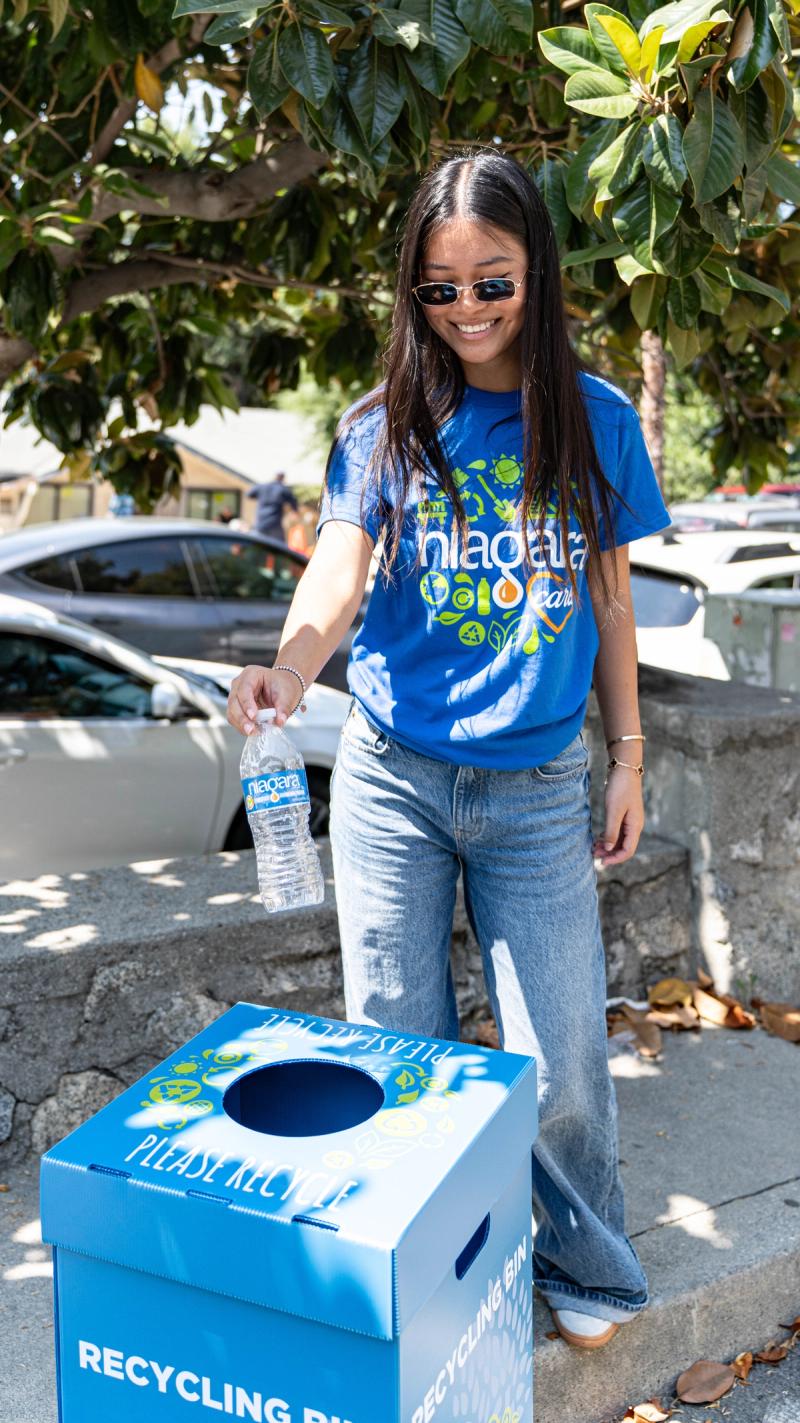
Recycling Infrastructure and Education
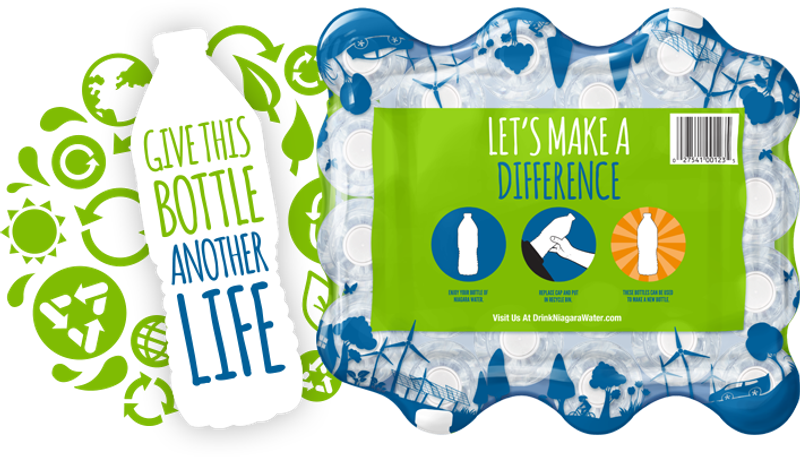
Niagara supports recycling education through International Bottled Water Association’s “Put it in the Bin” campaign.
Water Stewardship
A standard Niagara facility uses less water to produce its products than it takes to keep a few golf courses green. Niagara typically pays volumetric fees for the water it uses and millions in taxes and fees to municipal systems that enable them to maintain and improve their infrastructure.
Packaging Efficiency
Niagara uses less plastic for its bottles than its competitors, and innovations such as lightweight shrink film and corrugate-free nested packs create reductions in CO2 across our product lifecycle.
Minimizing Environmental Impact
Niagara PET bottles have a lower environmental impact across most impact categories when compared to other common beverage and water packaging types. Our half liter bottles have an embodied carbon footprint that is substantially below the U.S. average.
Recycling Infrastructure and Education
Niagara supports recycling education through International Bottled Water Association’s “Put it in the Bin” campaign.
Contact Our Economic Development Team
Our team’s mission is to promote and advance the strategic goals of the company through relationship-building and engagement with public policymakers, government officials, and community leaders.